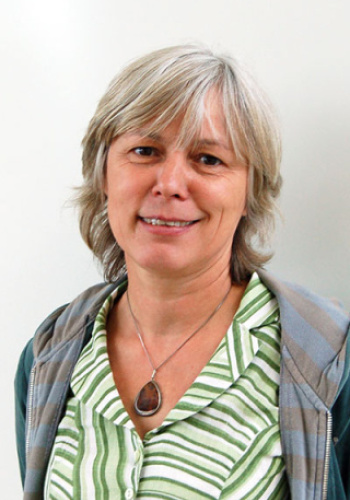
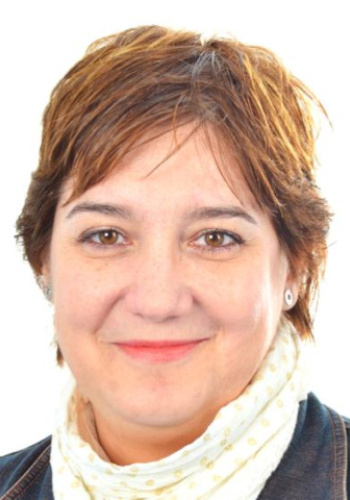
Norway is often referred to as a land of opportunity—also in healthcare and science. Two researchers from the University of Bergen and from a laboratory for health effects at an institute focused on climate and the environment explained why healthcare works well there and how nanotechnology is changing medicine. The key words of their story are collaboration, innovation, and trust.
How Norwegian healthcare works
A substantial part of healthcare in Norway is funded by the state, with private providers supplementing capacity especially where waiting times arise. An interesting feature is the systematic dental care: children and young people receive free dental care up to the age of 24, and certain vulnerable groups are given priority. For acute conditions, injuries, and cancer treatment the system works very efficiently, but waiting times are longer for chronic diagnoses. A challenge, as elsewhere in Europe, is the shortage of personnel—especially nurses—and gradual centralization, which makes access harder in remote regions.
The guests emphasized that although it is a wealthy country, success also rests on well-designed programs and on trust. In public opinion surveys, dentists in Norway enjoy a high level of trust, which is linked to a stable, prevention-oriented system. Sound public policies are complemented by clear rules of accountability for selecting and using approved materials in practice. Healthcare thus combines standards, transparency, and collaboration with citizens.
Nanomaterials: benefits, risks, and new testing
Nanotechnology is advancing and is making the strongest inroads in medicine and dentistry. This naturally relates to the fact that the building blocks of living tissues operate at the nanoscale, and materials designed at this level can better mimic nature. Nanomaterials provide unique properties for diagnostics, healing, and drug carriers, but at the same time require rigorous safety assessment. That is why scientists are developing standardized, reliable methods and biological models that better mimic real-world exposure.
At the forefront are advanced in vitro 3D and co-culture models—something like “mini tissues” and “mini organs”—which limit animal testing and speed up feedback for developers. The “safe and sustainable by design” approach is being applied, along with the broader One Health framework, which links the health of people, animals, and the environment. There is also discussion of a material “digital passport” that tracks the entire life cycle—from design and manufacturing to waste and circular use. From a safety perspective, it is important that nanoparticles can enter the body by inhalation, through the skin, the digestive tract, or injection, can cross biological membranes, and some are persistent; therefore, potential genotoxic effects are also assessed.
From idea to patient: nanodrugs, collaboration, and trust
Collaborations between Norwegian and Slovak teams have produced projects focused on nanotherapy, for example combined drug carriers for breast cancer. Targeted nano-carriers, such as liposomes and other nanoparticles, help deliver active agents directly to the tumor and reduce adverse effects. Alongside the benefits, however, long-term clinical studies and strict safety assessments are needed, including in the environmental context. In practice, nanotechnology is already being applied today—from oncology to dental materials.
Norway's innovation ecosystem rests on straightforward cooperation between universities, hospitals, and authorities, and on clear rules for technology transfer. Researchers describe the importance of open calls, competition for funding, and direct communication with ministries when drafting guidelines. The quality of the system is also underpinned by a high level of trust between citizens and institutions, as was evident, for example, during the pandemic. And advice for the young? Passion and courage—when you know why you're doing something, you'll find a way.