
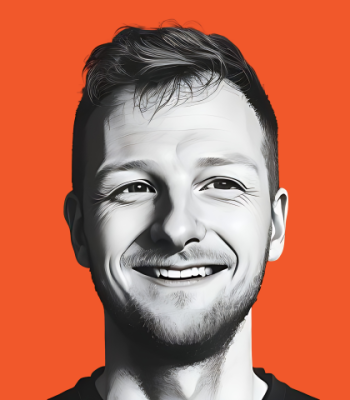
Michal Adamík
He works at the intersection of technology, art, and innovation. At the Slovak University of Technology, he researches how artificial intelligence and robotics can be integrated into human work, creativity, and decision-making. Previously, he worked as a SCADA engineer at Siemens, where he gained technical expertise in control systems and automation. He later founded the startup RobotsDoArt, which develops robotic installations as a form of artistic communication between humans and machines. He also works at ITAPS, where he is involved in projects related to digitization and the integration of artificial intelligence into business processes. He combines the technical thinking of an engineer with the creative approach of an artist, acting as a consultant for AI strategy and implementation to help organizations turn hype into tangible results.
-
How to transform AI from an experiment into real value in organisations (7 min)
Every technological revolution begins with noise and excitement. This was the case with electricity, the internet, and computers—and today, history is repeating itself with AI. Just like back then, we don't lack the technology, but rather the way to implement it into the lives of organizations. Companies are learning that AI is not a product, but a new operational model of work in which humans and algorithms complement each other. Research indicates that companies that approach AI as a socio-technical system tend to achieve higher productivity and adaptability. The key is to set up an interface between humans and AI. The lecture aims to present a clear and understandable challenge in the form of a transformation that every company will have to undergo in the coming years to remain competitive. -
AI and Robotics - New Era of Art
A short introduction to a fascinating area where technology and advanced meet. The lecture focuses on a significant shift in art and creativity, driven by the latest advances in artificial intelligence (AI) and robotics. Needless to say, how these technologies are pushing the boundaries of what's possible in art and design, while also raising questions about originality and the role of the artist in the digital era.
The lecture begins with an overview of the historical context, where art met, and gradually moves to current trends, where AI and robotics not only imitate human creativity, but also create new forms of art that were previously unimaginable. Presented examples such as algorithmically generated images that come new and the depth of this artistic space. It is an opportunity to understand how AI and robotics offer new machines, how to understand and appreciate art in this time.