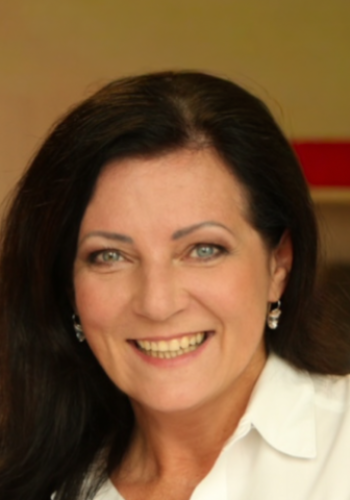
Three countries, three medical worlds, and one doctor who experienced them firsthand. Slovakia, the Netherlands, and Germany may share an insurance-based model of managed competition, but digitization and practice diverge in them. Vanda Tuxhorn explains what telemedicine can do, why people don’t trust it, and what the near future of care looks like.
From Bojnice to the world: the shocks of digitization
After completing her studies in Martin and earning two board certifications, she led the neonatal department, but decided to step out of her comfort zone. She packed up two children and went to the Netherlands to try a different health system. In Slovakia at that time, digitization was only just taking root — the computerized discharge summary was new and lab results were no longer being printed.
In the Netherlands she found the opposite: they had paper only in the bathroom and ward rounds were conducted via computer or tablet. Digital tools made monitoring easier, but there was less direct contact with patients; births are also more often at home there, and healthy mothers leave the hospital within a few hours. When the insurer closed the hospital where she worked within six weeks, she moved to Germany. There she first ran into almost zero digitization, and even getting home internet took months, but over the years hospitals progressed all the way to a fully digital environment.
The German paradox: telemedicine’s paper tiger
Germany has strategies, money, and projects, yet in practice it advances slowly — a tiger on paper, a snail in reality. Billions of euros flow into telemedicine, but it runs up against the skepticism of patients and doctors alike: it’s easy to fear for your data, especially when few read the terms, and part of the profession still trusts paper and fears outages; moreover, we often just copy the analog into the computer. The result is visible in the numbers — tens of millions of digital patient cards have been created, only a fraction use them actively, on the order of 2–3 %. Alongside this there are health apps that a doctor can “prescribe,” but their benefit depends on genuine integration into care.
How it helps at a distance: from a night-time fever to resuscitation
Telemedicine shortens the path to help in acute situations and eases the burden on ambulances and emergency rooms. A parent in Orava can, in the evening, use an app to find a pediatrician with an available slot and get safe guidance on whether to go for an examination or stay home. It works just as well for chronic diagnoses, where regular check-ups and measurements can be included in managed care programs.
It helps doctors too: in challenging situations on the periphery, it’s enough to press the “red button,” start the cameras, and be guided step by step by colleagues from a higher-level facility. The feeling that you’re not on your own is key to the safety of care and can save the golden first ten minutes. In Germany, telemedicine is covered by insurers, and the shortage of personnel will accelerate it further. That’s why it’s not sci‑fi that part of the beds will move home and “hospital-at-home,” supported by artificial intelligence and a remote physician, will within ten years become a routine part of medicine.