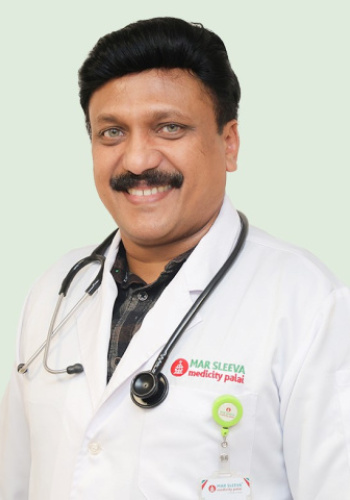
The Indian physician Dr. Anesh Kuryas presented Ayurveda as an ancient, holistic healthcare system that, according to him, emphasizes prevention and individualized treatment. He explains that it is not just about massages or "wellness," but an approach that connects the mind, body, and daily routine.
Ayurveda in brief: origin and purpose
According to the speaker, it is the oldest medical tradition with an approximately 4 000-year history, which in India is also the subject of a separate government agenda. He explains that Ayurveda did not arise for fame or awards, but as a practical "science of life." It first describes when to get up, when to sleep, and what to do in between, and subsequently recommends seasonal routines and principles of cooking and diet.
It places emphasis on movement, mental hygiene, and only then on the treatment of diseases themselves. If the rules of life are neglected, he says, disease arises — and only then does therapy follow. He claims that prevention understood this way is "more important than treatment," because it reduces the risk of problems arising. In his rendition, then, Ayurveda is more a life compass than a set of procedures.
Treat the person, not the disease
Kuryas emphasizes that Ayurveda does not treat just a diagnosis, but a specific person with their habits, digestive state, sleep, and psyche. He divides ailments into "physical" and "mental," but in practice he says he always addresses both levels simultaneously. As an example he cites psoriasis, in which he first calms the mind, while with mental disorders he may start from the body, for example with the digestive system.
In his view, it is not enough to "correct laboratory values"; it is important to look for the roots of problems and change causal behavior. Diagnosis therefore includes an interview and evaluation of daily routines, including sleep, meal timing, and movement. He does not express treatment success in percentages, because he individualizes the procedures and patients arrive with different causes of the same symptoms. He adds that the patient's cooperation and discipline are the key half of success.
Wellness versus "illness" and practical examples
The speaker criticizes the notion of Ayurveda as a set of massages, which he says form only a small fraction of the whole practice. He talks about "wellness" procedures to relax the body and mind, but also emphasizes the "illness" approach, that is, targeted treatment of specific difficulties. He mentions techniques to relax the mind and improve sleep or alleviate anxiety, yet at the same time insists that therapy is always personal and comprehensive.
According to him, a large part of treatment consists of lifestyle measures without drugs: a regular daily rhythm, adjustments to diet and sleep, and simple rituals. As examples from his practice he mentions walking barefoot, drinking smaller amounts of water at regular intervals, or "boring" reading before bedtime to improve sleep; for skin difficulties he mentions limiting certain foods. He presents these recommendations as illustrative rather than universal, because in Ayurveda, he says, the treatment is always of a specific person, not a diagnosis label.