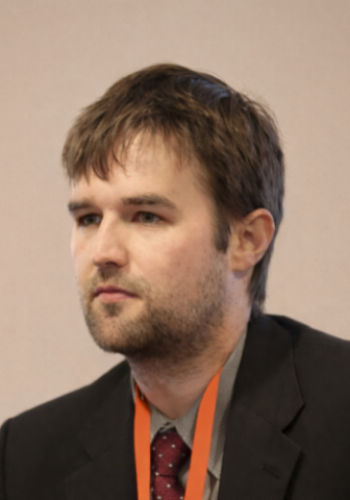
In Slovakia, we still view healthcare more as a cost than an investment. The panelists pointed out that the path from idea to product leads through a shift in mindset, professional technology transfer, and long-term partnerships. Without innovation, the system will not move forward—and that applies not only to new devices, but also to processes and the organization of care.
From cost to investment
The academic environment has many talented people, but support is fragmented and often merely formal. We lack a unified and seasoned technology center that would help researchers assess the potential of an idea, protect intellectual property, and plan the next steps. Scientists want to focus on research, not business—and when they try to combine the two, they encounter distrust or stigma.
Equipment has improved, but operations run up against funding gaps and metrics that push more for the number of publications and graduates rather than patents or licensing. Hospitals often lack even basic guidelines on intellectual property protection. Innovation is not only about new devices, but also about process or social changes that can save time and money and improve patient care.
Stories that teach
One of the successful Slovak research stories in the field of Alzheimer’s disease had to start in Austria at the turn of the millennium, where the first investors and grants were available. Only once the product took clearer shape did Slovak and Czech investors join, allowing the project to move forward. To this day, many promising projects seek their first round of capital abroad.
A strong inspiration is the British institution LifeArc: for many years it offered specialized expertise (for example, humanization of antibodies) almost free of charge in exchange for small royalties from successful products. It took two decades before a major commercial success arrived, but the model proved sustainable and scalable. Key lesson: think long term, protect IP, and do not publish before the patent application is filed.
Steps we can take right away
We need a professional Technology Office with people with experience at home and abroad, coordinated mentoring, and paid advisory services to help academics with market strategy and IP. Universities should have clear rules for spin-offs, and hospitals should have guidelines on intellectual property, so that entrepreneurship is not seen as a sin but as a way to bring value back into the system. The connection between business and academia must be more than a purchase order and an invoice—it should be a partnership with a clearly shared goal.
Positive signals are also emerging: generational renewal at faculties and the creation of centers for innovative healthcare. As a quick, low-cost step, there was also a call to allocate approximately 100,000 euros to participate in a European consortium, which can open the door to much larger sources of funding for innovative care. If research and innovation are fully integrated into healthcare strategies, we will stop crisis firefighting and start systematically building value for patients and for the economy.