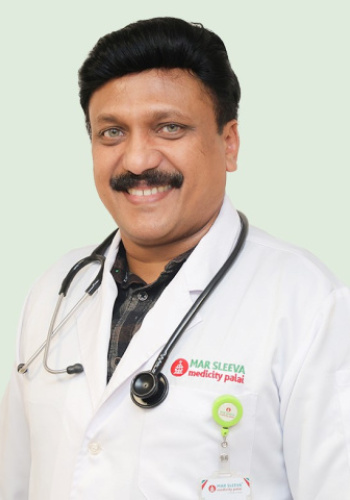
Ayurvedic physician Anish Kurias from the Indian hospital Kurias Earth explains in a discussion why he considers Ayurveda more a "science of life" than just medicine. He emphasizes individualization, prevention, and creating conditions in which the body can heal itself. He also responds to questions about evidence, safety, and cooperation with conventional doctors.
Diagnosis, prevention, and lifestyle changes
The process begins with a detailed interview and observation; Kurias also mentions traditional pulse diagnosis and the evaluation of the tongue and skin. For problems such as high blood pressure, he focuses on sleep, diet, hydration, and stress—he recommends, for example, eating mindfully, having dinner earlier, and getting regular exercise. He considers mental health crucial and cites an "unknown fear" as a common obstacle, which he says also increases cardiovascular risk. He claims to adapt principles to local conditions and the patient's preferences, so it is not a one-size-fits-all diet prescription.
Evidence, risks, and coexistence with modern medicine
To objections about the lack of large clinical trials, he replies that Ayurveda is "time-tested" and that results should be judged through the patient's experience; at the same time, he acknowledges that emergency and trauma conditions belong in the hands of conventional doctors. Regarding safety, he notes that India now has state regulation of drug manufacturing and personnel qualifications intended to limit problems such as heavy-metal contamination. He criticizes marketing oversimplifications—wellness procedures or "Ayurvedic" coffee—because, in his view, they make up only a fraction of actual practice. He advises doctors to learn first and only then try the principles in practice; he argues that both approaches can complement each other and that the patient need not be forced to believe—what matters is that they understand the recommendations and have the will to follow them.