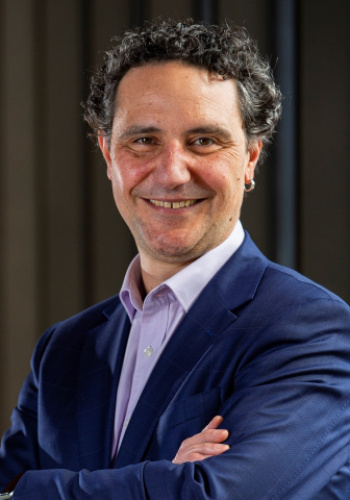
The Forrest Research Foundation in Perth wants to change what Western Australia is known for: from mining and agriculture to knowledge, research, and creativity. The foundation, led by James Arvanitakis, attracts top young researchers from around the world and creates a home and support base for them. Their goal is to build a community that connects science, art, and social impact.
Three pillars of the strategy
The first pillar invests in the researcher themselves: FRF creates a “researcher pathway” with entrepreneurship training, media and communications education, and an understanding of how research becomes public policy. This way, alongside their academic career, young scientists gain skills to start a startup or work with decision-makers. The emphasis on entrepreneurship is shifting the culture of science—from publications to real impact.
The second pillar extends impact beyond the “core” of 60 scientists and supports thousands more across the five universities of Western Australia. The foundation brings in top guests—from Jane Goodall to the state's Chief Scientist—and shares opportunities for the entire sector. The third pillar is thought leadership: FRF opens up complex topics such as freedom of speech, academic freedom, and the role of independent journalism, and guides researchers toward the role of public intellectuals.
Lessons from building the foundation
“Culture eats strategy for breakfast” — without an environment of collaboration, no plan will work. FRF cultivates a “pack” across disciplines, where scientists and artists support each other while also holding up a mirror. Breaking boundaries also means speaking the language of communities: one alumnus connects science with a religious context when explaining vaccination. Failure here is a source of learning — “mistakability” rewards the courage to tackle big challenges and openly share what didn’t work.
Space is also crucial: the thoughtful architecture of the campus creates a culture that shapes values and ideas at informal gatherings just as much as in seminars. Arvanitakis’s advice for smaller countries, including Slovakia, is: know when to compete and when to collaborate, look outward to industry, government and communities, and invest in the infrastructure of collaboration. His personal motivation is to expand opportunities for others — he believes that we already have the knowledge and technologies, and what we mainly lack is imagination and the will to act.