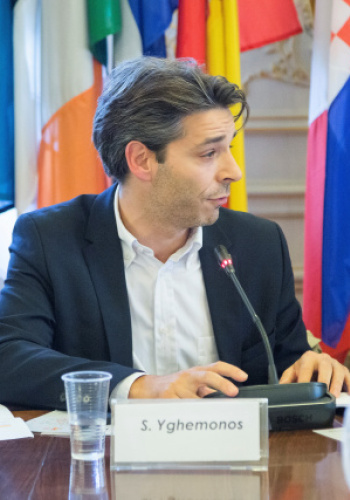
Informal caregivers – relatives, friends and neighbors – keep European long-term care afloat. According to available data, there are at least 44 million of them, though in reality probably far more. The lecture showed what exactly they do, what difficulties they face, and which policies and technologies can effectively help them.
Who informal caregivers are and the situation in Slovakia
An informal caregiver is anyone who, outside the professional system, provides mostly unpaid care to a person with a chronic illness, a disability, or a long-term need for assistance. They are usually family members, friends, or neighbors; in some countries there are only symbolic allowances. The definition is important, because without it it is difficult to set up targeted measures.
Slovakia lacks a clear legislative definition of informal care, which also complicates data collection. Eurofound estimates that caregivers make up approximately 8,8 % of the adult population, i.e., just under 500 thousand people, but this share is very likely underestimated. The reasons are weaker data and less developed formal long-term care services, which informal care often substitutes for.
Enormous value, big risks
The value of the work of informal caregivers is estimated at 320–368 billion euros per year, which is about 2,5 % of EU GDP. Member states, meanwhile, spend on formal long-term care on average only around 1,7 % of GDP. Replacing informal care with professional care would mean more than doubling current budgets, which is unrealistic. Without caregivers, care systems would simply collapse.
Behind this “invisible economy” are high personal costs. Many caregivers have to reduce their working hours or leave the labor market, which concerns women in particular. They also face social isolation, and the risk of poverty rises, since part of the costs of care are borne directly by families. Long-term stress, anxiety, and depression are not uncommon, and without support caregivers may themselves become patients.
What helps: measures and technologies
Key is adequate financial support that compensates for lost income and the time devoted to care. Flexible work arrangements and paid caregiver leave are needed for both women and men. Crediting caregiving periods toward pension entitlements and accessible respite care give caregivers room to breathe. Clear information and basic training should also be a matter of course.
ICT can reduce isolation, connect caregivers with professionals, and make care coordination easier. Quality online resources and trainings help manage demanding situations, while remote monitoring makes it possible to stay at work and at the same time keep an eye on a loved one. Technologies are not a panacea — they complement, not replace, systemic solutions. The 2022 European Care Strategy calls on Member States to identify caregivers, strengthen links with formal care, develop counselling, prevention, psychological support and respite, and set adequate financial assistance, with European funds available for implementation; it is now up to countries, including Slovakia, to put these recommendations into practice and keep the issue on the political agenda.