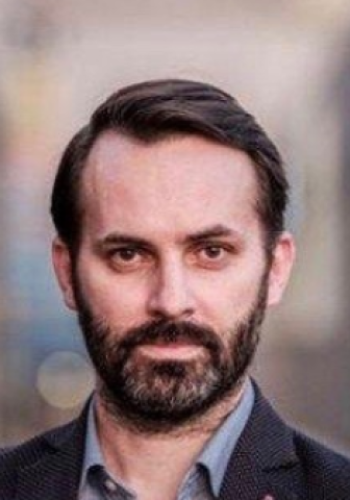
For part of the public, the WHO has become a symbol of distrust. Professor Jozef Šuvada, who collaborates with the WHO and works in international teams, talks about what led to this, where Slovakia stands in comparison with the world, and what we don’t want to admit from the pandemic. Data, communication, and the willingness to learn are key.
No benchmark without data
"World-class" healthcare is not a label, but the ability to deliver on the goals we agree on: to live longer, better, and safely. That requires comparing ourselves with others using meaningful indicators and knowing where we lag and where we advance. The key question, therefore, is whether we even have anything to compare on. Without reliable data, every ranking is more a feeling than a measurement.
According to him, Slovakia has rather a "lack of order in the data" than a complete data hell. Systematic mapping of the social determinants of health and unified collection methodologies are missing. Part of the gap is being filled by non-governmental platforms and patient feedback, which hold up a mirror to the system. There are also providers who continuously adjust dozens of processes a year based on indicators—proof that a culture of improvement can be built even here.
Communicating uncertainty and lessons from the pandemic
The pandemic showed that we don’t know how to talk about uncertainty. Several countries communicated what is known and what is still being verified; here, black-and-white messages often dominated, which polarized the audience. People then verified "facts" on social platforms instead of with doctors, which reinforced myths—from microchipping to downplaying risks. According to Šuvada, this is a call for better, clearer communication and for trust.
Many states have meanwhile done their homework. Poland introduced measures across legislation, education, and communities; the Czech team around Professor Dušek prepared an extensive analysis with concrete proposals; Hungary benefits from the linkage of health care and the social sector within a single ministry. Elsewhere, experts also faced attacks, but the discussion managed to translate into systemic changes—as reminded by the episode from Slovenia, where evidence defended critically ended up more in symbolic gestures of resistance than in criminal proceedings. In Slovakia, Šuvada does not yet see sufficient lessons translated into practice; the investigation of the pandemic is only a beginning, and the political determinants of health should not be overlooked.