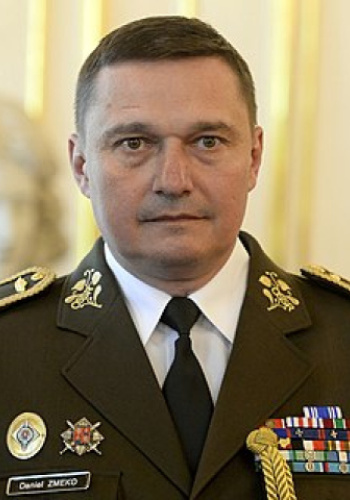
The army in peacetime certainly does not sit idly by. The Chief of the General Staff reminds us that deploying soldiers to the borders is an exceptional and serious step, not a quick substitute for the police. From his visits to the front in Ukraine he brings insights that change the way we prepare for defense, and he emphasizes that the morale of society also determines the outcome.
Lessons from Ukraine: sensors, automation, and rapid shifts in tactics
Direct observations from the front reveal a conflict outside standard doctrines: Ukraine is attacking without air superiority and facing an extremely layered defense. In such an environment, the “eyes and ears” are decisive — sensors, reconnaissance, and a shared operational picture that enable the effective use of modern weapons. Automated and unmanned systems, electronic warfare, and rapid coordination are becoming game-changers. The battlefield is changing dynamically and requires retraining and adjustments to procedures.
Modernization therefore means not only buying equipment, but also the ability to connect and deploy it. The general sees room for Slovak industry if it secures three things: predictable orders, clear rules with a preference for domestic producers, and coordinated research with the participation of soldiers. At the same time, a high degree of transparency is necessary, because rapid development and direct innovation projects tend to be socially sensitive. Tempo is key — even in Ukraine, tactics change every three months according to new systems and munitions.
Morale and the broader picture of war
The strongest ‘pillar’ of security is the citizens’ will to defend the state, which is under attack from disinformation and polarization. In Ukraine, it has not been broken: society supports the soldiers, and the symbiosis between the front and the rear keeps morale high. At home, the general appeals to politicians not to escalate tensions and to create an environment in which citizens feel safe and treated fairly. A civil public debate is the best defense against information operations.
In strategic terms, according to the general, the Russian Federation has already lost: it has failed to achieve its original goal of breaking Ukraine, and the alliance has expanded and strengthened. Ukraine has held its own in the first phase, and international support reduces the chance that it will be left isolated. That does not mean a quick end — daily losses and attrition continue, and endurance, innovation, and allied unity will decide the outcome. For Slovakia, the task is clear: patiently strengthen preparedness, technical capabilities, and the resilience of society.