
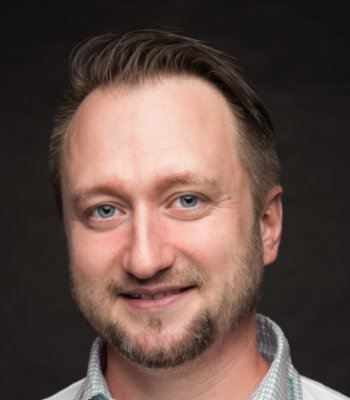
Ľubomír Sluk
For several years, he has been leading the development of the Findemm solution, combining product and analytical thinking, digitalisation and IoT technologies with the real needs of users and organisations. He oversees the entire solution lifecycle – from identifying needs and designing processes through product management, development coordination and testing to implementation in real-world operations. He spent a significant part of his professional career in the field of social and legal protection of children and social guardianship, gaining hands-on experience in organisational management, people leadership, process design and the functioning of care systems. He now applies this experience to the development of Findemm, focusing on safety, independent living, more efficient care and timely response for people who require a certain level of support or monitoring, their families, and organisations responsible for their care or safety. He is a certified Scrum Master, experienced lecturer and coach who applies agile principles to development management, team collaboration and change implementation. He studied Mathematics and Computer Science with a teaching specialisation and has continuously expanded his technology background through the development of web and digital solutions, entrepreneurship and project management. His professional experience also includes organising major cultural and social events. He draws on this broad professional perspective to connect technology, processes and people’s needs into meaningful and functional solutions.
-
Confirmed speakers
-
Care in the home - how technology can support monitoring, timely responses and more effective care (7 min)
Population ageing, shortages of healthcare and social care professionals, and the growing number of people who wish or are able to remain in their own homes for as long as possible are changing the way care is delivered. Digital technologies can help ensure that information about a need for assistance or an unusual situation reaches the right person in time – from a family member or community support network to a professional care provider. It is important not only to know what is happening and who is involved, but also to understand the spatial context of the situation – knowing a person’s probable location can help assess the situation more accurately and reduce response time. Not every form of monitoring needs to involve telemedicine, and not every situation requires a certified medical device; more accessible indicative measurements can provide an initial signal that further verification may be needed. A digital support layer built on these principles can help people remain in their home environment for longer, involve their families and communities, and, when necessary, enable a seamless transition to professional social or healthcare services.