Registration Become a partner

Program - Autumn ITAPA 2026

  • Program
09:00
HEALTH DAY
HEALTH DAY
POLICY STAGE

Strategic decisions, systemic changes and discussions among policymakers

CASE STUDY & DEMO STAGE

Practical solutions, live demonstrations, case studies and masterclasses
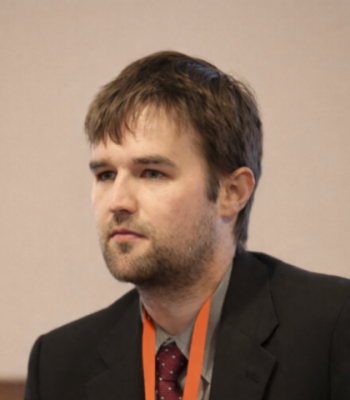
EVENT MODERATORS
Peter Musil Peter Musil Marek Sušinka Marek Sušinka
Vladimír Vondrák

Health Day is accredited for healthcare professionals – participants will receive 8 credits.

09:00
Health 1
09:00 - 9:10 Opening of the Conference
Moderator: Vladimír Vondrák
09:00
Michal Ivantyšyn, ITAPA
Opening of the Conference
09:10
Health 2
09:10 - 10:15 Slovakia is Ageing. Who will Look After Us, and Who Will Pay For It?

Slovakia is facing a fundamental transformation in long-term care. The number of people requiring assistance is growing, staff shortages are becoming more acute and costs are rising. At the same time, decisions will need to be made about what share of care should be provided by residential facilities, what can be shifted to homes and communities, and how social and healthcare services can be better integrated.

Moderator: Vladimír Vondrák

09:10
Boris Vaňo, Demographic Research Centre
Slovakia 2040 - more than a million older people (8 min)
09:18
09:28
Milan Halomi, SeniorCare Galant
Roman Mužik, DÔVERA health insurance company
Tomáš Kútny, nexagen
Denisa Slivková, General Health Insurance Company
Marián Valentovič, Ministry of Labour, Social Affairs and Family of the SR
DISCUSSION "Slovakia is Ageing. Who will Look After Us, and Who Will Pay For It?"
10:05
Health 3
10:15 - 10:35 A Bespoke Operation – A Live Demonstration
Moderator: Vladimír Vondrák
10:35
NETWORKING BREAK
11:00
Healh 4
11:00 - 11:35 The Socio-economic Impact of Cancer
The panel is organised in cooperation with ABBVIE.
11:00 - 11:20 Less paperwork in important life events: New eHealth services

Sick leave, caring for a family member or pregnancy often involve obtaining certificates and visiting public offices. How can digital services make these situations easier for citizens and simplify the work of doctors? The session will present the latest developments in electronic sick leave, electronic care allowance, the digital pregnancy record and electronic certificates. It will explain what is changing in practice, how these services are being integrated into information systems, and what is needed to ensure that data can move between institutions without patients having to transfer it themselves.

11:00
Marian Bielik, National Health Information Centre
Elena Prokopová, Slovak Paediatric Society of the Slovak Medical Association, physician – paediatrician
Roman Rodák, National Health Information Centre
DEMO (20 min)
11:00 - 11:25 A New Model for Funding Social Services
Since January 1, 2027, the funding model for social services has changed. What will change for the various types of social services, and what do providers need to have in place by the end of the year?

Moderator: Marek Sušinka
11:35
Health 5
11:35 - 12:15 The Pharmacoeconomics of Migraine in Plain Language: Can the Right Treatment Lead to Savings in Public Funds?
The panel is organised in cooperation with ABBVIE.
11:20 - 12:05 A Practical Demonstration of Modern Outpatient Clinic Management
Bonboneo (confirmed)
11:25 - 11:45 Social Services Facility: What Changes Must the Organisation Start Making Today?

More clients, fewer staff and increasingly demanding care. Systemic reforms are important, but much of the change will have to take place directly within individual care homes. How can we recruit and retain staff, where can technology help, how can we reorganise work, and how can we expand services so that facilities can cope with growing demand? Directors from Slovakia and the Czech Republic will present specific changes they are already implementing within their own organisations.

Moderator: Marek Sušinka

11:35
Karolína Trankovičová, Petržalka Social Services Centre
DISCUSSION "Social Services Facility: What Changes Must the Organisation Start Making Today?"
12:20
Health 6
12:15 - 12:35 A New Pillar of Cyber Security in the Healthcare Sector

A cyberattack can block access to patient data in a hospital and disrupt the delivery of treatment. The National Health Information Centre CSIRT team helps healthcare facilities prevent and respond to such incidents. It is the first accredited sectoral CSIRT unit in Slovakia. What exactly does it offer, and when should healthcare providers turn to it? We will explain how the team monitors security risks, supports organisations during cyberattacks, and cooperates with the Cybersecurity Support Centre for Healthcare as well as with partners in Slovakia and abroad.

Moderator: Vladimír Vondrák

12:15
Peter Spörer, National Center for Health Information
Presentiation + 1on1 interview (15 min)
12:05 - 12:40 MASTERCLASS: A Medical Report that Writes Itself
During the masterclass, we will demonstrate how a doctor can significantly reduce the administrative burden during a consultation whilst retaining full control over the resulting documentation. Through live demonstrations, participants will see how to document a consultation with a patient, how to create a structured medical report – including diagnoses, medications and billing codes – and how to enter it into the outpatient system. The session will also include the doctor’s own practical experience and an opportunity to address specific scenarios raised by the audience.
12:05
Patrik Harmaňoš , MEDORA.sk
Branislav Jančovič, MEDORA.sk
The masterclass is led by
11:45 - 12:15 Social Service Facility in Practise: What Works in Terms of Quality, Management and Digitalisation (CASE STUDY SESSION)
Specific real-world examples - what actually works and what doesn’t. What can technology do for the Social Service Facility - and what will it never be able to do for it?
  • Quality that stands up to inspection
11:45
Mária Kóšová, ‘KREATÍV’, Klasov Social Services Centre
We are ISO-certified. Community-based service provision (12 min)
11:57
Marek Sušinka, social worker, quality manager, instructor, and methodologist
How to Set Up a Quality Management System That Works Every Day (12 min)
12:35
LUNCH
13:40
Health 7
13:40 - 14:25 The Health Mission: What is Set to Change and Where Will the Money Come From?
The Health Mission aims to bring innovations from research and pilot projects into actual healthcare practice. What is its vision, what priorities will it support, how much funding will be available, who will decide on its allocation, and when will hospitals, researchers and innovators be able to get involved? The Mission’s leaders will outline what real changes are set to take place in oncology, neurology and cardiology in the coming years.

Moderator: Peter Musil
13:40
Slávka Porubcová, National Institute of Cardiovascular Diseases
INNOVATION CASE: 3D printing of medicines – when a medicine is tailored to the patient (7 min)
13:47
Vladimír Baláž, F.D. Roosevelt General Hospital of Banská Bystrica
Allan Böhm, Seerlinq, Premedix Academy
Matej Škorvánek, Neurological Clinic, Faculty of Medicine, University of Pavel Jozef Šafárik and Louis Pasteur University Hospital in Košice
Petra De Araujo Zappe, Research and Innovation Authority
DISCUSSION "The Health Mission: What is Set to Change and Where Will the Money Come From?"
13:40 - 14:45 Faster and More Accurate Diagnosis
13:40
Piotr Pedowski, Department of Radiodiagnostics and Imaging Methods, Pavol Jozef Šafárik University, Faculty of Medicine and L. Pasteur University Hospital, Košice
AI in Emergency Medicine: Can it detect a fracture sooner? (15 mins) (15 min)
13:55
Michal Chovanec, II. Department of Oncology at the Faculty of Medicine of Comenius University in Bratislava and the National Cancer Institute
SAMO - when AI helps spot a problem sooner (15 min)
14:10
Peter Pažitný, Central & East European Health Policy Network
Robert Vincze, Central & East European Health Policy Network
When AI changes the patient’s journey - a case study of diabetic retinopathy screening in Slovakia (15 min)
14:25
Matej Samoš, Comenius University in Bratislava, Jessenius Faculty of Medicine, 1st Department of Internal Medicine
Ultrasound right at the patient’s bedside: diagnosis without waiting (15 min)
13:40 - 14:30 Social Care Services in Practice: What Works in Terms of Quality, Management and Digitalisation (CASE STUDY SESSION)

Practical examples from real-world settings – what truly works and what does not. What can technology do for social care services, and what can it never replace?

  • The processes that hold the device together
  • Digitalisation and AI: Giving People Back Their Time
Moderator: Marek Sušinka
14:25
Health 8
14:25 - 15:05 EHDS Is Transforming Healthcare: Are We Ready to Share and Use Health Data?
Moderator: Vladimír Vondrák
14:25
Richard Hrabčák, National Health Information Centre
Eva Sabajová, Digital Health Slovakia, HL7 Slovakia, IHE-Europe
Tomáš Švec, Ministry of Health of the Slovak Republic
Jozef Urbín, IQVIA
DISCUSSION "EHDS Is Transforming Healthcare: Are We Ready to Share and Use Health Data?"
14:30 - 15:25 How Not to Lose the People we Cannot Afford to Lose
The number of people using social services is not increasing, yet the demand for care is growing. Why are staff leaving, and what practical changes can care homes make to retain them?

Moderator: Marek Sušinka
14:30
14:38
Iveta Lazorová, Slovak Chamber of Nurses and Midwives
DISCUSSION "How Not to Lose the People we Cannot Afford to Lose"
14:55
Health 9
15:05 - 15:45 When Data Begins to Understand the Patient
The healthcare sector is collecting ever more data on patients, yet only a fraction of its potential is being utilised. What will change when we are able to use AI to link medical histories, test results and other data, and transform them into information that is useful to a specific individual? The panel will look at the future of personalised care – from better patient guidance and timely alerts to decision support and personalised treatment pathways.

Moderator: Vladimír Vondrák
15:05
Peter Blaškovitš, St. Anne's University Hospital in Brno
Mária Lévyová, Association for the Protection of Patients' Rights in the Slovak Republic
Jaroslava Orosová, Association of Ambulatory Providers
DISCUSSION "When Data Begins to Understand the Patient"
14:45 - 15:35 MASTERCLASS: DOCTOR 2.0: How to maintain patient trust in the age of AI and not let it get to you
Patients have changed. They no longer consult only ‘Dr Google’. They now discuss their feelings and concerns directly with ChatGPT. And doctors often haven’t had time to prepare for this. How should one communicate with a patient who is frightened, angry, impatient or convinced that the internet and AI have already found the answer?
14:45
Ivana Zelizňáková, General Health Insurance Company
Masterclass is led by
15:45
NETWORKING BREAK
15:30
Health 10
15:30 - 16:00 The patient is waiting. The staff can’t keep up. Is the problem really down to staff numbers?
The shortage of healthcare staff is a real problem, but at the same time, staff time is wasted on administration, disrupted workflows, duplication of tasks and an inappropriate division of responsibilities. How much extra capacity can we free up through better work management, digitalisation and a reorganisation of tasks before we start talking solely about the need for more staff?
16:10
Matej Mišík, Health economics, policy and innovation institute (HEPII)
Monika Trnovcová, FNsP F. D. Roosevelta Banská Bystrica and Ministry of Health of the Slovak Republic
Jana Vadkertiová, University Hospital Martin
Martin Vlachynský, Institute of Economic and Social Studies
DISCUSSION "The patient is waiting. The staff can’t keep up. Is the problem really down to staff numbers?"
16:30
Health 11
16:45 - 17:45 ITAPA OPEN TALK: From Vision to Decision: How to Prepare for a Million Senior Citizens?
Slovakia is an ageing society, and the pressure on healthcare and long-term care will continue to grow. At the same time, we have the technology, innovation and effective solutions, but these are still being introduced into everyday practice far too slowly. The closing OPEN TALK will bring together the outcomes of the whole day with the people who can make decisions on funding, capacity, the integration of health and social care, and the implementation of innovations. What must Slovakia do now to ensure that the system can cope with the growing number of older people whilst also delivering better care to patients more quickly? 

Moderator: Vladimír Vondrák
16:45
Vladimír Baláž, F.D. Roosevelt General Hospital of Banská Bystrica
Matúš Jurových, General Health Insurance Company
Miriam Lapuníková, University Hospital with the Policlinic of F. D. Roosevelt
Jaroslava Orosová, Association of Ambulatory Providers
Marián Valentovič, Ministry of Labour, Social Affairs and Family of the SR
DISCUSSION ""ITAPA OPEN TALK: From Vision to Decision: How to Prepare for a Million Senior Citizens?"
17:45
Closing Networking Session
08:00
partner dňa health
Partner of Health Day

Partners of the Health Day are company Nexagen and Bonboneo.

Medial partner of the Health Day is TV Doktor.

TV Doktor – mediálny partner Health Day