Program - Autumn ITAPA 2026
Regulation, resilience, accountability and strategic decision-making in cybersecurity
Real-world incidents, technology solutions, live demos and practical experience
Practical sessions for those who want to explore cybersecurity topics in greater depth
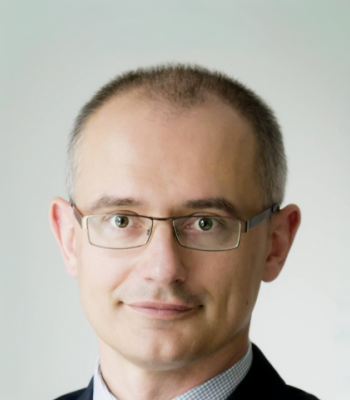
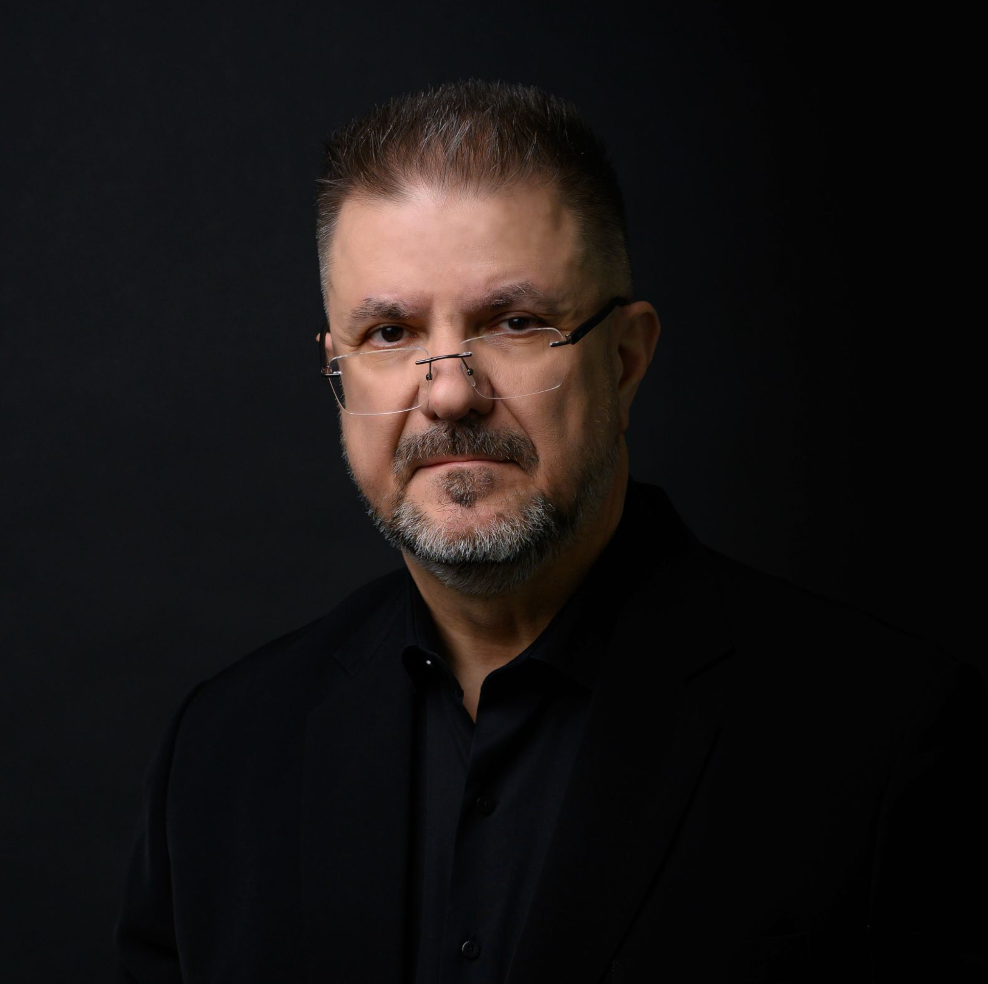
At the start of the day, we will address the broader question of Slovakia’s security and resilience at a time when digital and physical threats are becoming increasingly interconnected. Which government services must remain operational even during a major cyberattack or other crisis? How is the state’s preparedness for new types of threats evolving, and what must Slovakia do to ensure that it can not only respond to crises but also prevent them?
In sport, athletes prepare for one decisive game. In cybersecurity, business and artificial intelligence, however, the final never ends. Every day brings situations with stakes as high as the Super Bowl, where the difference between winning and losing is measured in data, reputation and trust. This keynote will focus on where cybersecurity, business strategy and artificial intelligence converge – the intersection at which these three forces are coming together at an unprecedented scale and speed. How can organisations build a winning strategy at a time when these three areas are becoming increasingly intertwined on a scale never seen before? Expect bold perspectives, uncomfortable truths and new ways of looking at an era moving at machine speed. Because preparedness is no longer an option – it is a matter of survival. The Super Bowl is played every day.
How can we ensure that critical public digital services continue to operate during a cyberattack? The panel will combine lessons from a real-world incident with perspectives on government preparedness, operational continuity, incident response coordination and service recovery.
Ferdinand Vavrík, Ministry of Finance of Slovak Republic
AI is no longer just a defensive tool – it is increasingly becoming part of the attack itself. How can organisations deploy AI securely, gain visibility into how it is being used, and respond to new types of threats? Practical demonstrations will show what secure AI operations and infrastructure protection look like in real-world environments.
New obligations under Slovak cybersecurity legislation are increasing the demands placed on cryptographic risk management. We will explain why now is the time to prepare for post-quantum cryptography, what organisations need to address today, and what practical experience has been gained from preparing for migration.
Michal Sekula, ARICOMA
When we can no longer trust our own eyes or even the voice on the other end of the line, identity verification becomes a critical part of security. How can we recognise deepfakes, fraudulent communications or identity misuse, and where do technological safeguards end and human vigilance begin? And how can we build trust in an environment where AI can imitate a person with remarkable accuracy?
Michal Srnec, Aliter Technologies
Cloud and AI are accelerating modernisation, while at the same time creating new technological dependencies. How can governments and organisations design their cloud strategies to gain flexibility without creating unnecessary vendor lock-in? The discussion will focus on security, regulation and resilience when working with major technology providers.
What happens from the first alert to the point when critical systems are restored to operation? Real-world incidents and simulated attacks will show how IT teams, SOC teams and crisis management respond during a ransomware attack. The focus will be on decision-making under pressure, service restoration, and identifying weaknesses in the network before an attacker can exploit them.
Cyber risk is no longer solely an IT issue; it is also a matter for senior management, legal teams and statutory representatives. Who is responsible when security measures fail, and where do managerial, legal, contractual and personal liabilities intersect? The discussion will also examine how organisations are addressing the shortage of cybersecurity expertise and outsourcing parts of their security operations to external providers.
Moderator: Ivan Makatura
Peter Dufek, Penta Hospitals Slovakia
Enterprise AI is no longer just a chatbot layered on top of documents. Models are connected to internal data, APIs and tools, while AI agents can search, make decisions and perform actions on behalf of users. This changes the security challenge. Protecting the model against prompt injection is no longer enough; organisations need to manage the entire flow of interactions between the user, agent, model, data and tools. The DEMO will show how an AI Gateway can serve as a single control point for enterprise AI: enforcing security policies in real time, protecting against data leakage and prompt injection, managing agents’ access to MCP tools and APIs, ensuring auditability, and integrating with existing application and API security. Through specific scenarios, we will demonstrate why secure AI requires the same operational discipline as any other critical application.
Digital identity is no longer limited to humans. With the rise of AI agents, machine accounts and other non-human identities, there is a growing need to understand who or what is acting within a system and what permissions they have. The discussion will focus on the security, management and legal aspects of next-generation identity.
Moderator: Ivan Makatura
The Ministry of Labour, Social Affairs and Family has built its own cybersecurity monitoring centre for the entire ministry. Using a specific anonymised incident or a simulated scenario, it will demonstrate what happens from the first suspicious signal through detection and assessment to threat isolation and the restoration of secure operations.
Moderator: Ivan Makatura
Miroslav Chlipala, BCH Advokáti Chlipala
Zuzana Motúzová, Motúzová & Lacko Law Firm
We are preparing the panel.
New cybersecurity requirements are expanding the range of regulated organisations and introducing a number of new obligations. The key question, however, is how to ensure that organisations do not view regulation merely as a checklist of requirements to be formally satisfied, but instead use it as a tool to genuinely strengthen their resilience.
Moderator: Ivan Makatura
Ondrej Zimen, The Office for Personal Data Protection
Cyber threats are evolving faster than ever. Can governments, businesses and critical infrastructure keep pace? The closing roundtable will reflect on the key findings of CyberSec Day, identify the most significant weaknesses in our defences and address the question of what specifically needs to change if we are to be more secure a year from now.
PARTNER of CYBERSEC DAY